
Your garden fence could do with an upgrade, so why don’t you build it yourself? It’s easier than you think, and you will save a lot of money in the process. Naturally, if you’ve never done this before, there are things you should consider. I’ve come up with a few key tips that will help you produce a successful DIY project:
Wood or brick are the best materials
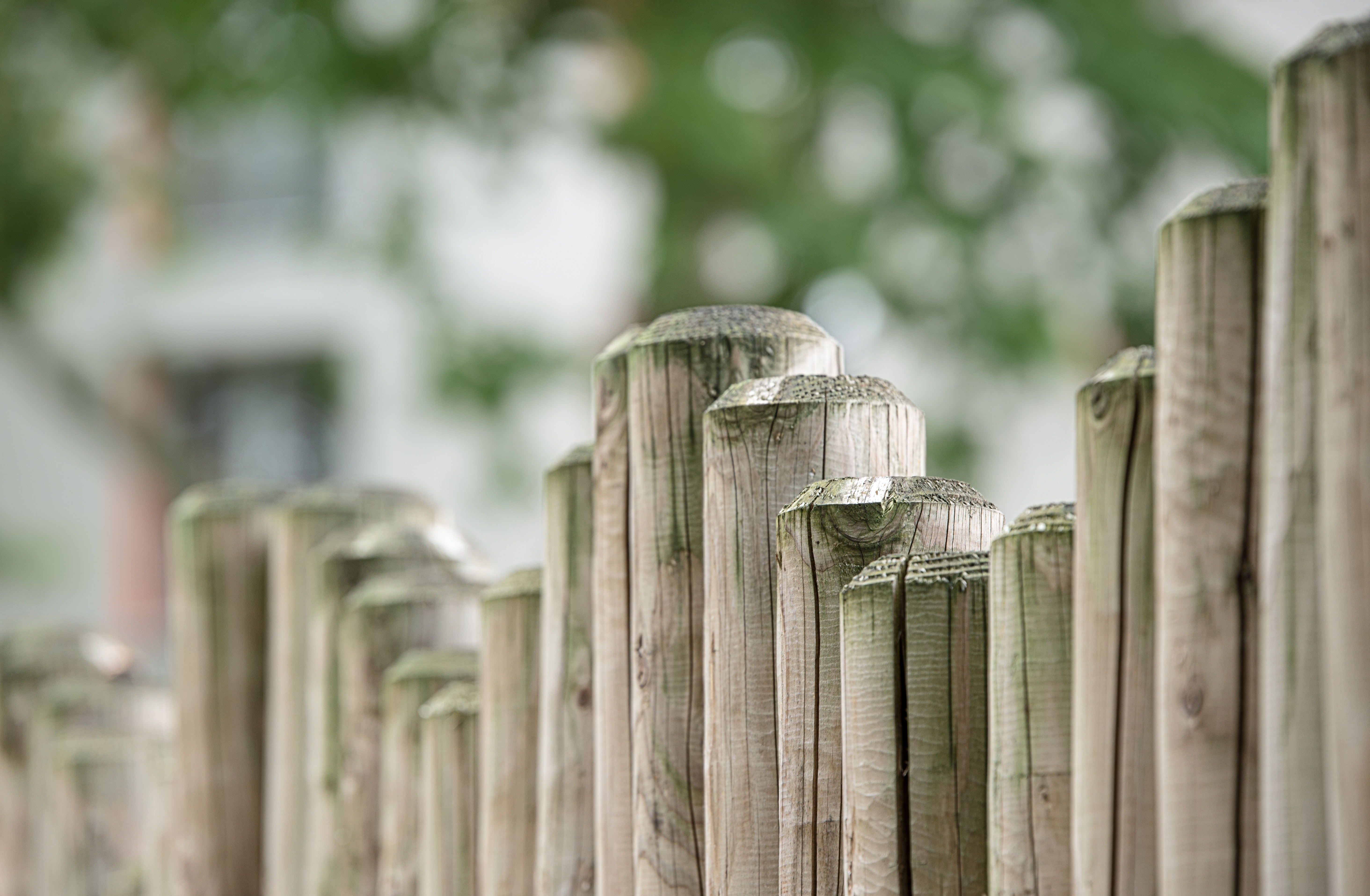
Garden fences come in many varieties, but you usually have three materials to choose from: wood, brick, and metal. I’ve discounted metal as it’s not very attractive and can be expensive to work with. Wood and brick are your two best options. A wooden fence is cheaper and easier to put up, but a brick one will last longer and look more professional. The choice is yours – it depends on your skill level and budget. Actually, you could use both of these materials with a brick base but wooden panels!
Don’t forget to waterproof the fence
After choosing your materials, you have to think about the longevity of your fence. It will need to stand up to all sorts of weather, particularly the rain. So, don’t forget to waterproof your fence, so it doesn’t deteriorate quickly. As you can see from these Visqueen products, you can buy sealants that go on the fence before you paint it. This won’t just seal the material off to rain; it will also ensure the paint doesn’t runoff. Most people assume that brick is waterproof, but it isn’t! So, regardless of what materials you use, this is a step you can’t forget.
Choose a colour that suits your home
This is more of an aesthetic problem than anything else. You can paint your fence any colour you like – if it’s made from wood. If it’s a brick fence, you need to consider the colour of the bricks. Either way, think about your home when you do this. Pick a colour that suits your home design and brings your garden together. It will enhance your exterior design and make your house look even more gorgeous.
The height matters
Finally, be aware of how tall your fence is. For me, a garden fence needs to be quite tall. It should be high enough that the neighbours can’t peak over it. However, it can’t be too tall. A massive fence looks ridiculous, but it also creates too much shade in the garden. This can be an issue if you want your lawn to stay green or have plants grow. As a general rule, a fence that’s just over six feet should be fine. This offers privacy without shrouding your garden in the shade.
These are the main DIY tips I have for building a garden fence. The exact process will change depending on what materials you use. So, I can’t provide a rundown of how to actually make it! Instead, these tips will ensure that your fence is built to suit your home and last for a long time.
Leave a Reply