

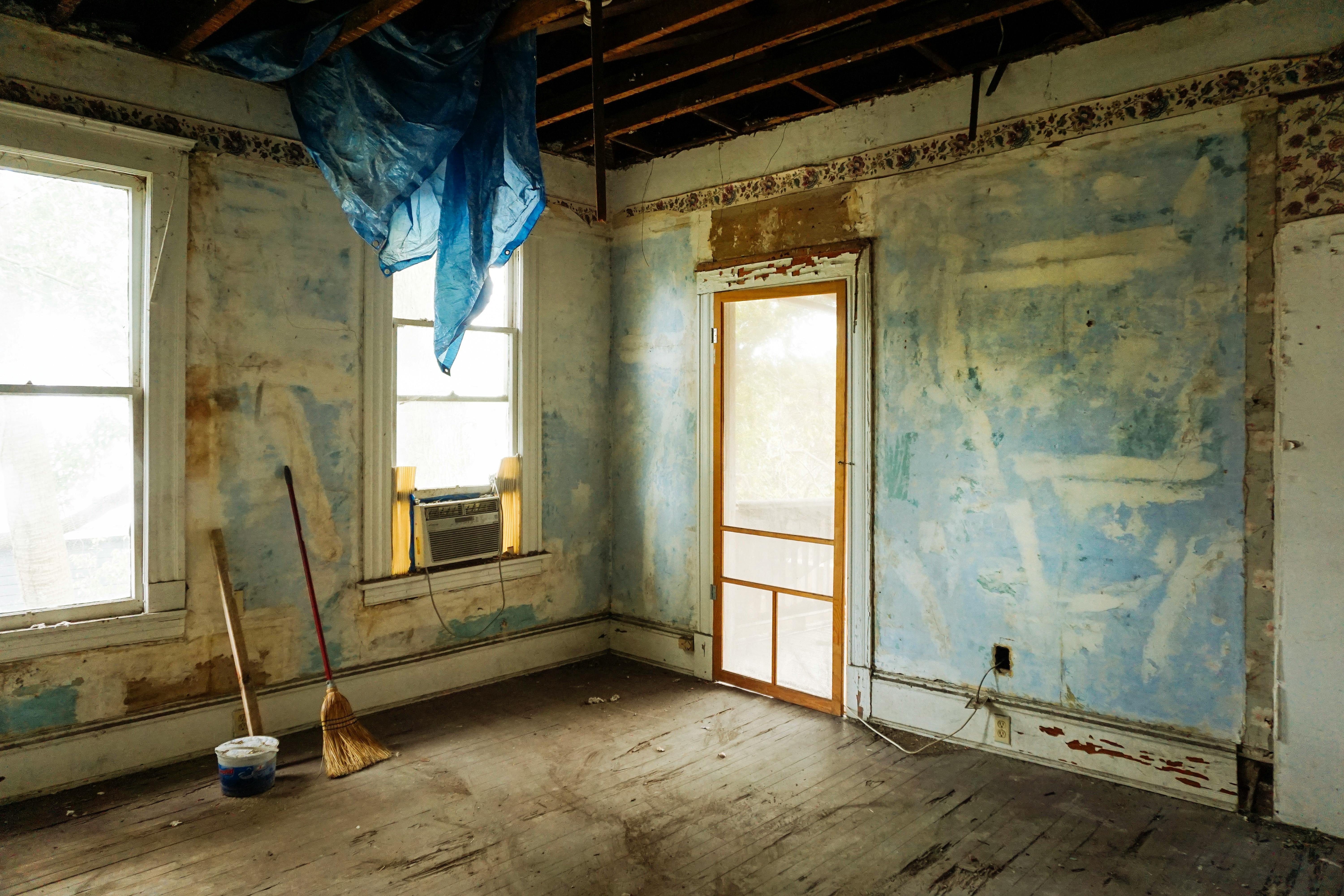
If you have a vintage house that has seen better days, then chances are you will be planning to renovate and restore the old home to its former beauty. Renovations are incredibly exciting and can inject new life into your property. However, even with the best plans, there is always something left off the renovation checklist. Here are five things to remember when you are renovating your old home.
Uneven Surfaces
If you are taking up flooring or building new structures onto the house, you should be aware that the surfaces might be uneven. Floors and walls can warp over time and historic construction methods might not be as precise as you can manage with today’s tools. If your surface is uneven then you should consider what primers you may need. Primers come in a huge variety of styles and you should check whether the primer is right for the job. If you are not sure of the primer you should use, speak to a reputable supplier who can point you in the right direction. Remember that a large job may need a variety of different primers, especially if surfaces are made from differing materials.
Hidden Damage
A contractor can assess your home and the work you want to be done to come to an agreed price. However, you should always leave a small contingency aside for any damage or dilapidation that has gone unnoticed. If you do not have a contingency work may have to cease while you raise funds, which can become costly especially if you are in alternative accommodation.
Hidden damage is often due to leaks within plumbing or weaknesses within the construction that has allowed water to penetrate.
More Time
Alongside a financial contingency, you should also build in a time contingency. Plan to be out of your home for longer than the work is expected to take. That way if a hiccup does occur you are not scrambling to find new temporary accommodation and paying big fees for late bookings. Giving yourself more time will also allow you to spend time putting finishing touches onto the house rather than scrambling to meet a deadline.
Expert Advice
If you are taking on the bulk of the work yourself then be aware of your limitations. Asking an expert to advise on the plans or to consult with about the best equipment or materials for a job can save you a fortune in the long run. If you cannot afford one-to-one advice then try to find reputable traders online and look at tutorials before attempting any large-scale projects. The old adage of measure twice and cut once applies here. Try to get the knowledge you need before carrying out a job and risk needing to correct your work further down the line.
Upkeep Costs
Finally, remember that any house will have upkeep costs. Try to factor this in when considering the scale of the work you are doing. If you spend all your money getting the house perfect but you do not have the finances to maintain it, then within a few years your house will start to become run down and you won’t get the maximum enjoyment from your renovated home.
Leave a Reply